It was only when my eldest cousin held me in a chokehold at a family gathering in 2023, that I realised her attitude towards me was something I had allowed for far too long.
Simply because I had left my phone with relatives outside (playing music on the Bluetooth speaker), where it could possibly be stolen, she called me careless.
In that moment, something shifted inside me. I finally claimed the power to limit her access to me.
I looked her straight in the eyes and said, “Admit it, you’ve always wanted to choke me.” She snapped out of a daze and let go. No apology. She just walked away like she has done over the years.
Growing up, I could never understand why the eldest grandchild on my mother’s side always seemed to have something against me.
I thought we could build a special bond, especially after she bought my graduation outfit in 2012.
She is only five years younger than my mother, which perhaps explains why she carried an authority among the cousins that everyone seemed to accept without question.
When the incident happened, I opened up to my mother and sister. They could see I was upset, yet no meeting or family discussion ever took place to address what had happened. Their silence left me feeling lonely. I said as much to them.
It made me realise how easily disrespect can be normalised when it hides behind the label of “family”.
As the youngest cousin, I had grown accustomed to being the butt of jokes and playful banter. But as we grow older, some behaviour stops being harmless and becomes intolerable.
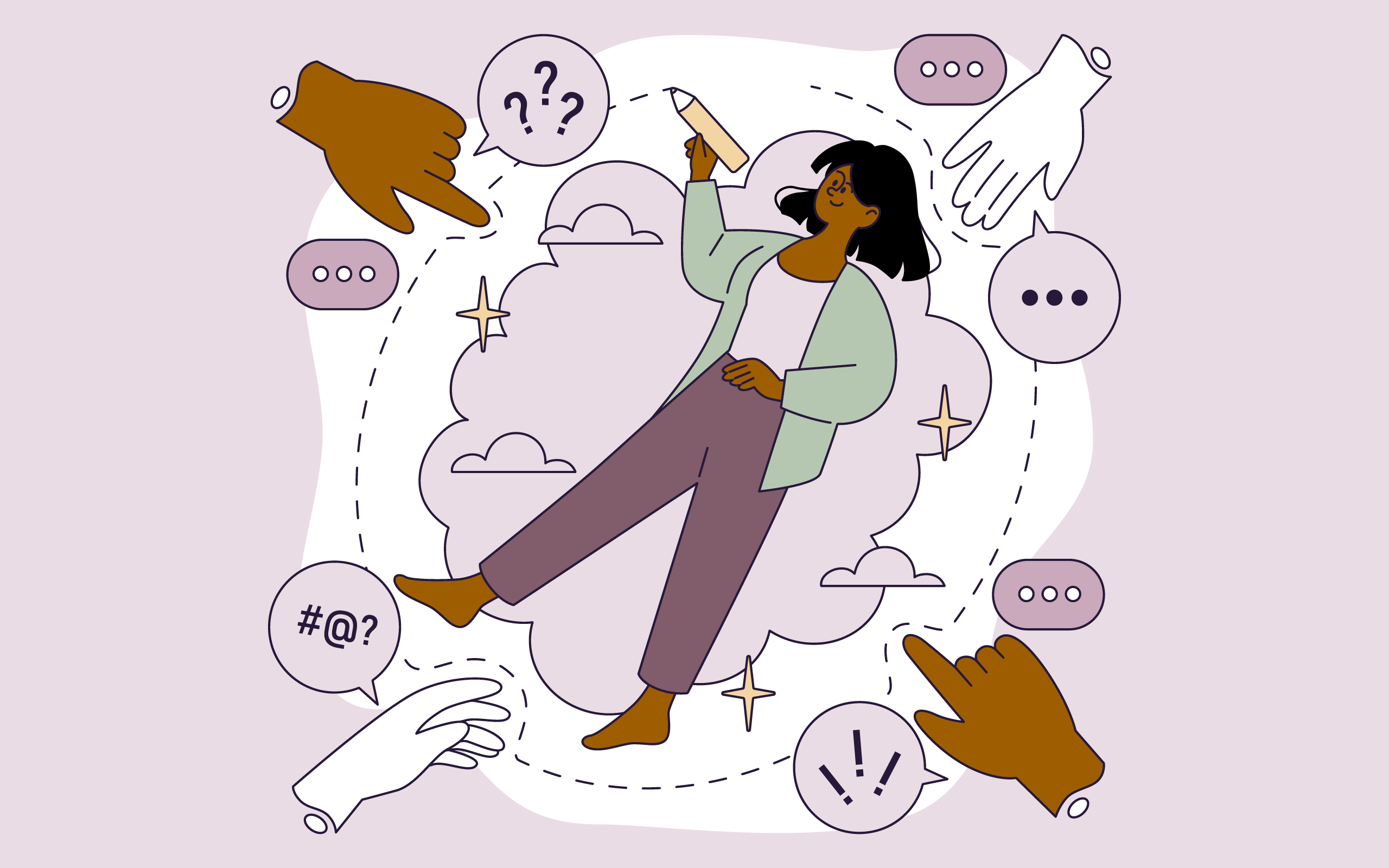
After that day, I made a conscious decision to keep my cousin at a distance. I would greet her, remain respectful, and respond when necessary. But I would no longer give her emotional access to me.
Since then, she has told other relatives that I have “changed” or “switched up” towards her. Perhaps I have. But sometimes, growth looks like change to people who benefited from the version of you that tolerated their questionable behaviour.
Through my own personal shadow work, the sometimes-uncomfortable process of examining the parts of ourselves shaped by past wounds, I began to understand something else.
While I could be angry with my cousin for how she treated me over the years, I also recognise that she may never have healed from the life she experienced.
We all carry different stories and scars. I have forgiven her because forgiveness frees me. But forgiveness doesn’t require proximity.
As a mother to a 10-year-old boy, I have become more intentional about the values I model. I teach my son never to shrink himself to make others comfortable, and to understand that people often treat us the way we allow them to. That lesson begins with me living it.
Family boundaries were only part of my awakening. There was also a once-close friend I held very dear. Our friendship changed after a girls’ trip a few years ago, when we had travelled to Limpopo to celebrate her birthday at a friend’s nightclub.
What was meant to be a joyful weekend, turned into something else entirely. Her behaviour was so out of character, that it felt like we had travelled with a complete stranger.
I never fully expressed how deeply that experience affected me. Unlike my cousin, whom I never chose, this was someone I had invited into my life. That made the disappointment cut deeper.
Recently, I saw her again after we had gone our separate ways. I learned she had been going through a challenging time. My heart goes out to her. Hard seasons can bring out sides of people even they don’t recognise.
She told me she would like to apologise when I am ready, and I am willing to listen. But listening does not necessarily mean reopening a door.
One of the most powerful lessons I have learned through healing is that protecting your peace is not cruelty. It is responsibility.
When you begin to heal from childhood trauma and life’s accumulated patterns, you become more aware of what disrupts your inner-balance. The moment behaviour triggers that imbalance, I choose distance.
Better boundaries are not just about saying “no” more often. They are about saying yes to environments that respect your presence, your values and your emotional safety.
They are about understanding that your worth is not defined by who has access to you.
Setting boundaries is one thing. Enforcing them consistently and unapologetically is the real work.