As a child, I was a prolific talker. From the moment I learned how, I never stopped yapping.
Even before mastery of full words, my rabble resounded through the family home.
Be it in the daily discussions around the dinner table, or on the long road trips to visit relatives on the other side of the country, my voice filled daily life with cheerful prattle.
This would continue as I grew up, my motormouth revving as I learned to master coherent words and full sentences.
The playground and home were my stage and anyone with ears my audience, voluntary or otherwise.
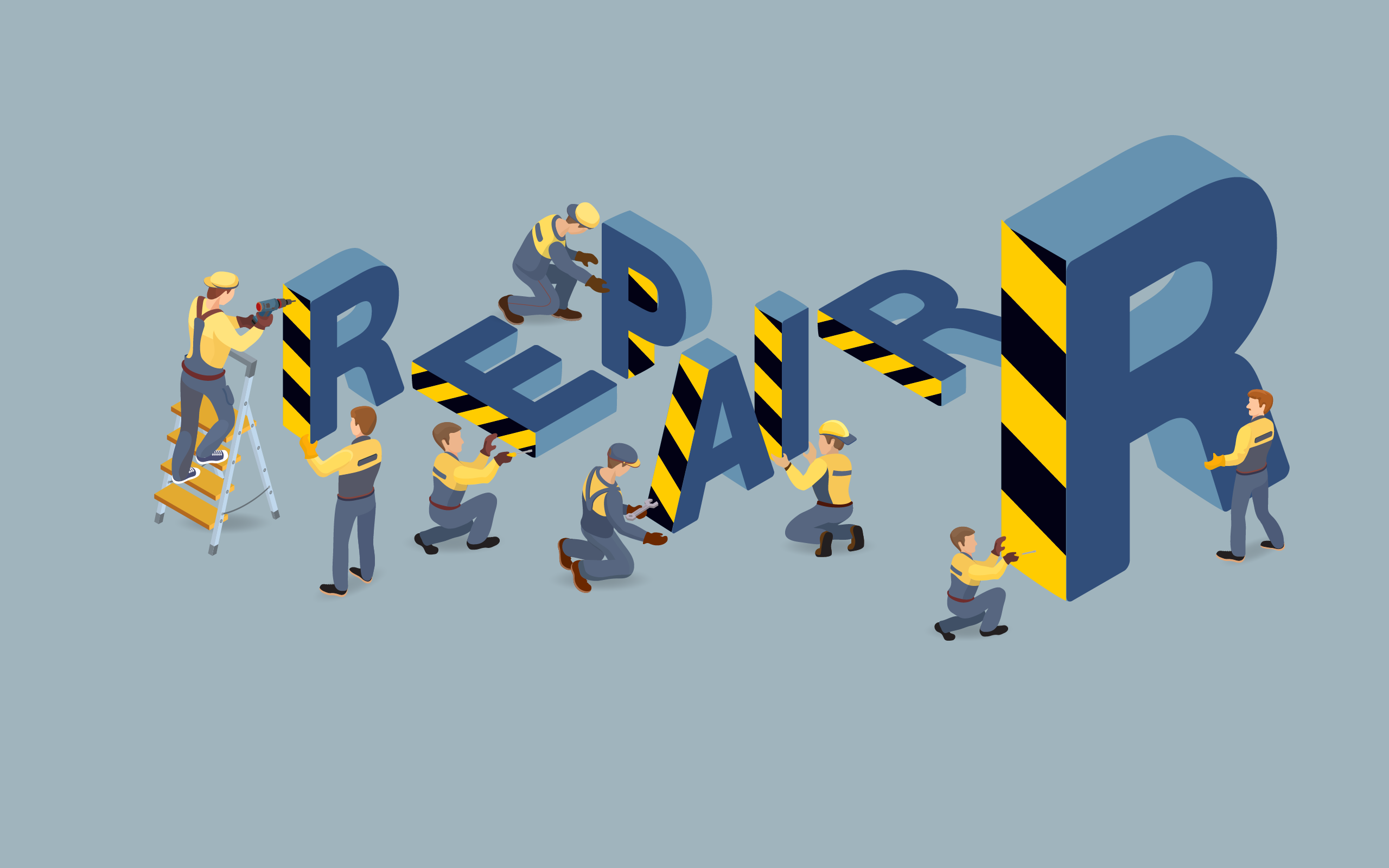
There was only one roadblock to my rabble-rousing repertoire. The letter R.
As I transitioned from the innocence of childhood into the self-awareness of adolescence, I came to learn that the way I spoke was different to other children.
This first came to me in small, subtle interactions.
“Sorry, I didn’t quite hear you, can you say that again?” when asking the lunch lady for fried rice at the school lunch hall, or the librarian for the red book from the shelf.
These grew in frequency and embarrassment. On the playground, it was the piercing voices of other children “Jabu wants to play ring-a-ring-a-rosie” they would taunt, mocking my brei.
Or the teachers who found it funny to make me recite poems about red roses in front of the class.
Already quite the outsider – one of only a handful of recently-integrated black children in the historically afrikaans working class town of Alberton – my speech only furthered my sense of alienation.
Rhotacism (as I would come to learn the inability to pronounce the letter R was formally called) would grow to be my life’s tormenter.
Most native English speaking children start to form rudimentary versions of the phonetic “r” sound by around 3 years old, commonly coming out as a /w/ sound (think “wed wabbit” in place of “red rabbit”).
The full phonetic “r” is typically mastered around the age of six or seven.
In the wider context of speech formation, it is one of the last sounds to be fully mastered.
In isiZulu, my mother tongue, the letter r does not exist, save for modern adaptations of European-derived words.
In Sesotho, the language which found equal favour in my upbringing, r is produced similarly to the throated french variation, or the guttural “g” from Afrikaans.
By early adulthood, after years of silent shame, I had formulated a tortuous manner of speaking, an elaborate system of synonyms designed to protect me from the ignominy of barbed words.
At the age of 20, when this unnatural way of navigating the world became too cumbersome to maintain, I decided to take on the toughest challenge of my life, learning what others had picked up easily as children.
Every day, for 15 to 30 minutes, I would sit at my computer screen, following YouTube speech therapy tutorials.
First learning how to curl my tongue to the roof of my mouth, then, slowly, to purse my lips together and draw sound confidently from my throat.
Once this was mastered, after months of effort, I could slowly start conjugating sounds.
Slowly, stammering the outlines of words were beginning to form, and with them my confidence and esteem.
It’s never too late to learn something new. It’s never too late to find your voice.